- info@ipcbahrain.com
- +973 36 058 108
Why IPC
- Home
- /
- Why IPC
Why IPC
Home / Why IPC
ABOUT OUR COMPANY
i Pest Control Advantages
At i Pest Control, we understand how important it is to receive the help you need in a timely manner. We offer fast and efficient services when you need them most for the treatment of rodents, ants, termites, bed bugs, roaches, bees, ants, and more. Our Pest Control inspection and treatment services are performed while taking your satisfaction into account. We guarantee it. iPC “THE TERMINATORS” is Pest Control Services Company with uncompromising service quality standards, total solutions and system ensures you with best Pest Control Services, products.
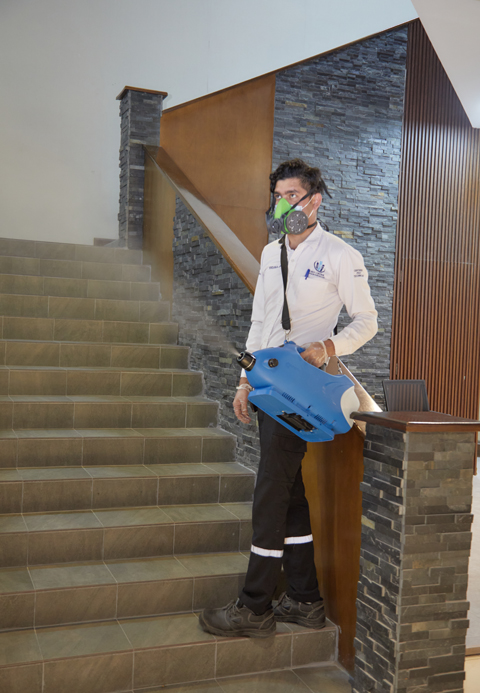
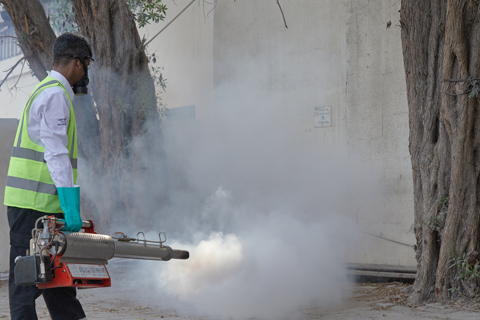
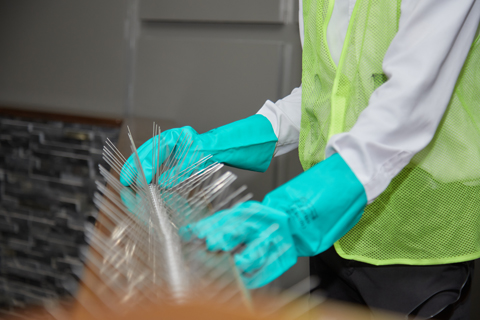
- Operating under the Dream Group WLL and ISO Company.
- Leading Pest, Rodent, Termite Control Company in Bahrain
- High standard and professional, reliable pest management services.
- Pre-planned, supervised operations.
- Expert’s assessment, able to solve all pest related problems.
- Clear guidelines and proper action plan.
- Efficient full advisor back up from Italy, Australia and India.
- Professionally trained pest technicians and supervisors.
- IPC only use advanced technology and latest equipment available in pest control industry.
- Uses the most environmentally desirable and innovative public health pesticides approved for professional pest control.
- Equipped with sufficient service vehicles to meet urgent needs.
- Member of National Pest Management Association, U.S.A & British Pest Control Association, U.K
Our Commitment
Our Quality Control Program is unparalleled in the Pest Management industry. We make sure that service should do in right way and we have the process and people in place to guarantee.
Our Performance
iPC offers home owners and Businesses full complement of Pest Control inspection and treatment services, Pre- Construction and Post Construction termite treatment program. We only use sensitive and EPA registered Green products for all Pest Control solutions.
Integrated Pest Management (IPM)
iPC “THE TERMINATORS” strongly advocates the use of Integrated Pest Management (IPM). IPM is an environmentally responsible approach to pest management that relies on a combination of practices. By taking advantage of all pest management options, starting with non-chemical techniques, IPM programs proactively manage pests with minimal hazard to people, property or the environment.
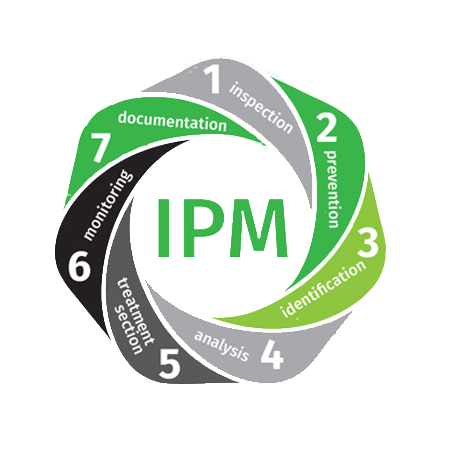
Integrated pest management (IPM) is an approach to pest control that utilizes regular monitoring and record keeping to determine if and when treatments are needed, and employs a combination of strategies and tactics to keep pest numbers low enough to prevent unacceptable damage or annoyance. Biological, cultural, physical, mechanical, educational, and chemical methods are used in site-specific combinations to solve the pest problem.
An IPM program is built around the following components:
- Monitoring the pest population and other relevant factors
- Deliver high quality and consistent services
- Use environmentall friendly cleaning products
- Provide stable jobs with resonable wages
- Concentrate our resources on maintaining standards
- Make you an extremely satisfied customer
A Four - Tier Approach
Prevention
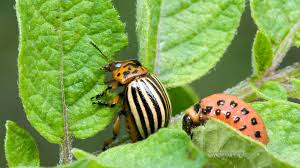
As a first line of pest control aim to avoid situations where the pest or disease may become a threat. Plan to prevent, minimize and avoid pest and disease problems. By far, the best way to protect your building is by integrating prevention techniques into your everyday practices. This is both a critical step and effective strategy when it comes to avoiding pests. Routine cleaning is a must, but there are also some specifics that can aid in deterring animals or insects.
Here are some prevention methods to practice at your facility :
- Remove any sources of food, water or shelter.
- Store items in safe and enclosed containers.
- Dispose of garbage regularly with a tightly closed lid.
- Reduce clutter or areas where pests can hide.
- Seal and close off any cracks or holes to eliminate outside entry.
- Perform routine cleaning and surveying from the roof to the basement floor.
Monitor & Identify Pests
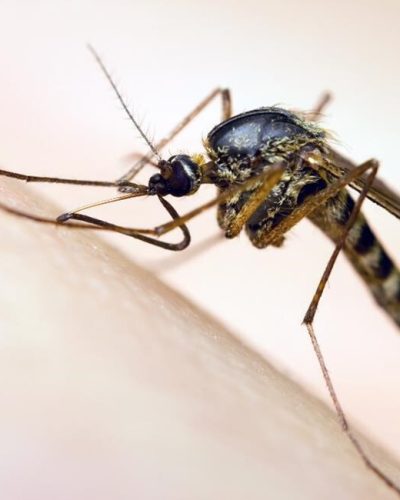
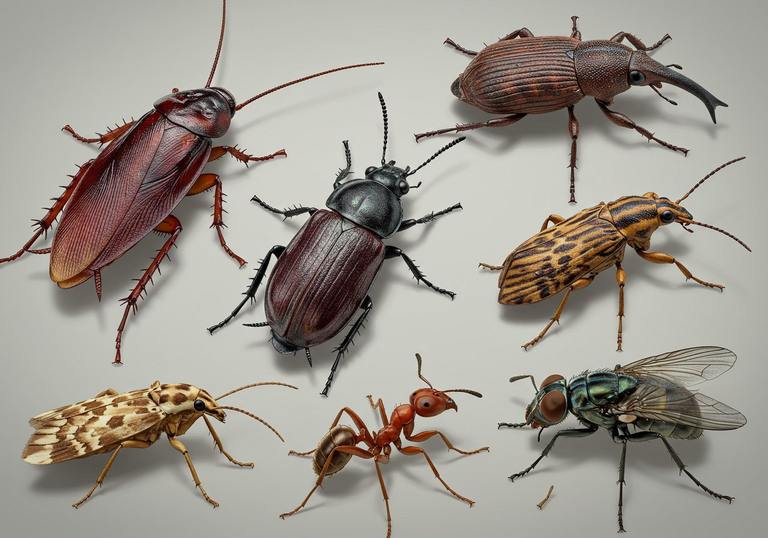
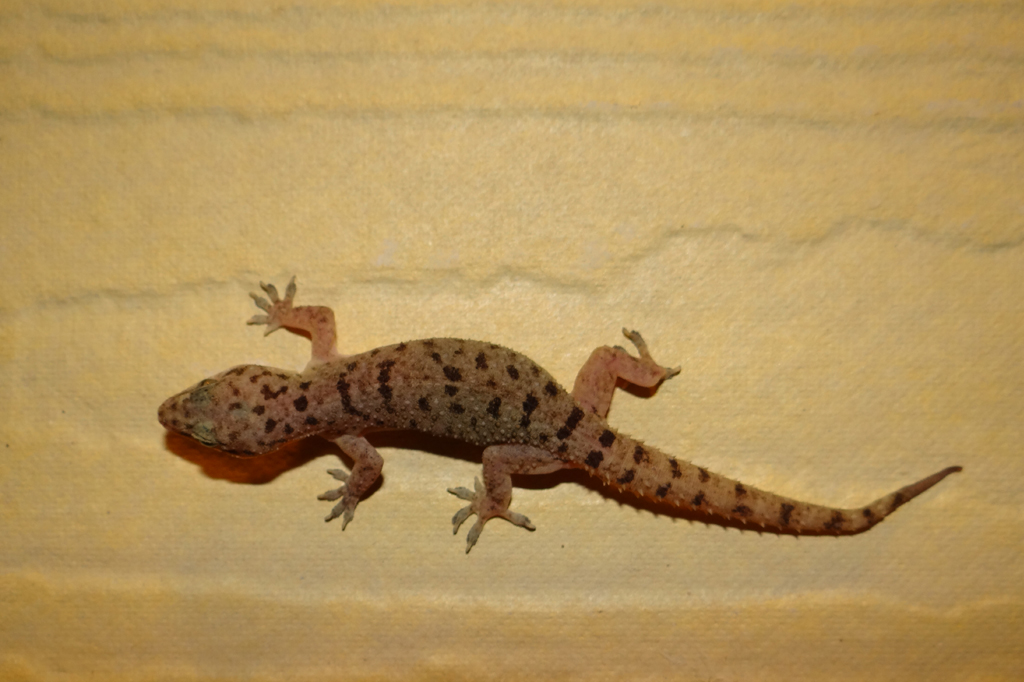
Monitoring is the backbone of an IPM program. The purpose of monitoring is to supply recent, accurate information with which you can make appropriate decisions for managing pests in your school.
Monitoring is the regular and ongoing inspection of areas where pest problems do or might occur. Information gathered from these inspections is always written down. Monitoring helps determine where, when, and what kind of treatments are needed.
Set Action Thresholds
Before taking any pest control action, IPM first sets an action threshold, a point at which pest populations or environmental conditions indicate that pest control action must be taken. Sighting a single pest does not always mean control is needed. The level at which pests will either become an economic threat is critical to guide future pest control decisions. This is when a pest population and or a disease reaches a certain level, or environmental conditions are such, that action should be taken to prevent economic loss.
Control
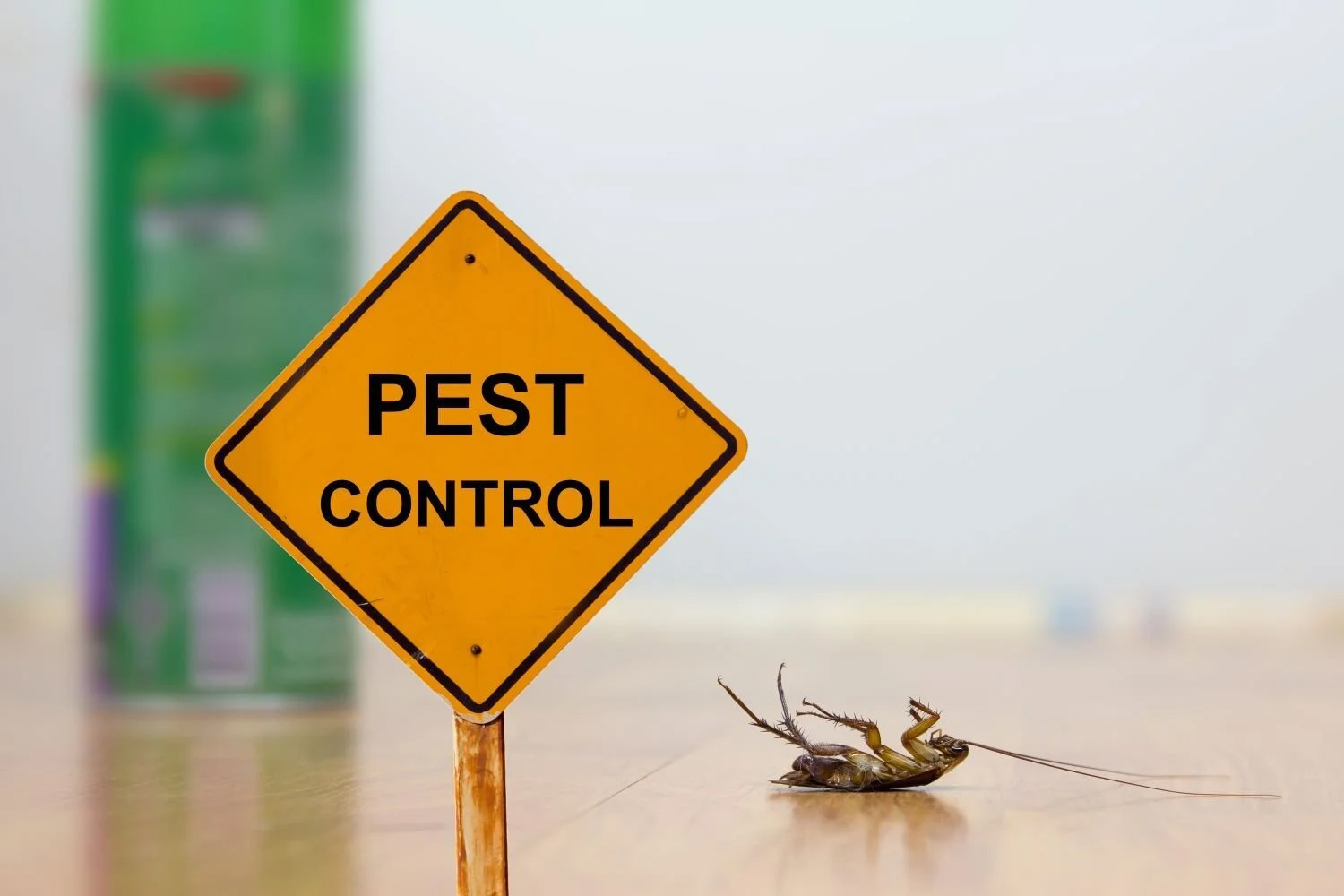
Once monitoring, identification, and action thresholds indicate that pest control is required, and preventive methods are no longer effective or available, IPM programs then evaluate the proper control method both for effectiveness and risk. Effective, less risky pest controls are chosen first, including highly targeted chemicals, such as pheromones to disrupt pest mating, or mechanical control, such as trapping or weeding. If further monitoring, identifications and action thresholds indicate that less risky controls are not working, then additional pest control methods would be employed, such as targeted spraying of pesticides. Broadcast spraying of non-specific pesticides is a last resort.
Why Practice IPM
Why have pest manager shifted to IPM when chemical pesticides so often succeed at controlling pests? there are many reason to broaden pest management beyond the use of chemicals.
IPM helps to keep a balanced ecosystem
Pesticides can be ineffective
IPM can save money
IPM promotes a health environment
IPM maintains a good public image
IPM helps to keep a balanced ecosystem
Every ecosystem, made up of living things and their non-living environment, has a balance; the actions of one kind of organism in the ecosystem usually affect other species. Introducing chemicals into the ecosystem can change this balance, destroying certain species and allowing other species (sometimes pests themselves) to dominate. Pesticides can kill beneficial insects that consume pests, leaving few natural mechanisms of pest control.
Pesticides can be ineffective
Chemical pesticides are not always effective. Pests can become resistant to pesticides. In fact, some 600 cases of pests developing pesticide resistance have been documented to date, including many common weeds, insects, and disease-causing fungi. Furthermore, pests may survive in situations where the chemical does not reach pests, is washed off, is applied at an improper rate, or is applied at an improper life stage of the pest.
IPM can save money
IPM can avoid crop loss caused by pests and prevent unnecessary pesticide expense. Applicators can save on pesticide costs because the need for control, rather than routine application triggered by the calendar, is the basis for applying pesticides.
IPM promotes a healthy environment
We have much to learn about the persistence of chemicals in the environment and their effect on living creatures. Cases of contaminated groundwater appear each year, and disposal of containers and unused pesticides still pose challenges for applicators. Make sure that environmental impacts are considered in any pest management decisions. Using IPM strategies helps keep adverse effects to a minimum.
IPM maintains a good public image
IPM is now demanded by many sectors of our society. IPM has been implemented to grow our food, to manage turf and ornamentals, to protect home and business structures, to manage school grounds, and to protect humans, pets, and livestock health.